Building your own startup is one of the hardest things you'll ever do, harder than any 9-to-5 you've ever had. A lot of people attempt it, few actually make it. Statistics are not friendly either: roughly 1 in 5 startups fail in their first year alone.
And more people are trying it solo than ever. Solo startup founders made up just 23.7% of new startups in 2019. By mid-2025 that number hit 36.3%. More founders are figuring out how to build a startup without funding, a co-founder, or a team to fall back on.
Running a self-funded startup takes a specific set of bootstrapped founder skills, the kind that don't show up on a resume. Not everyone's got them going in, but most of them can be learned on the job.
This isn't some big-picture take on the startup founder mindset. I’m giving you five specific skills and habits, the ones that separate people who stick with it in the long run from people who quietly give up six months in.
Discipline when motivation fades
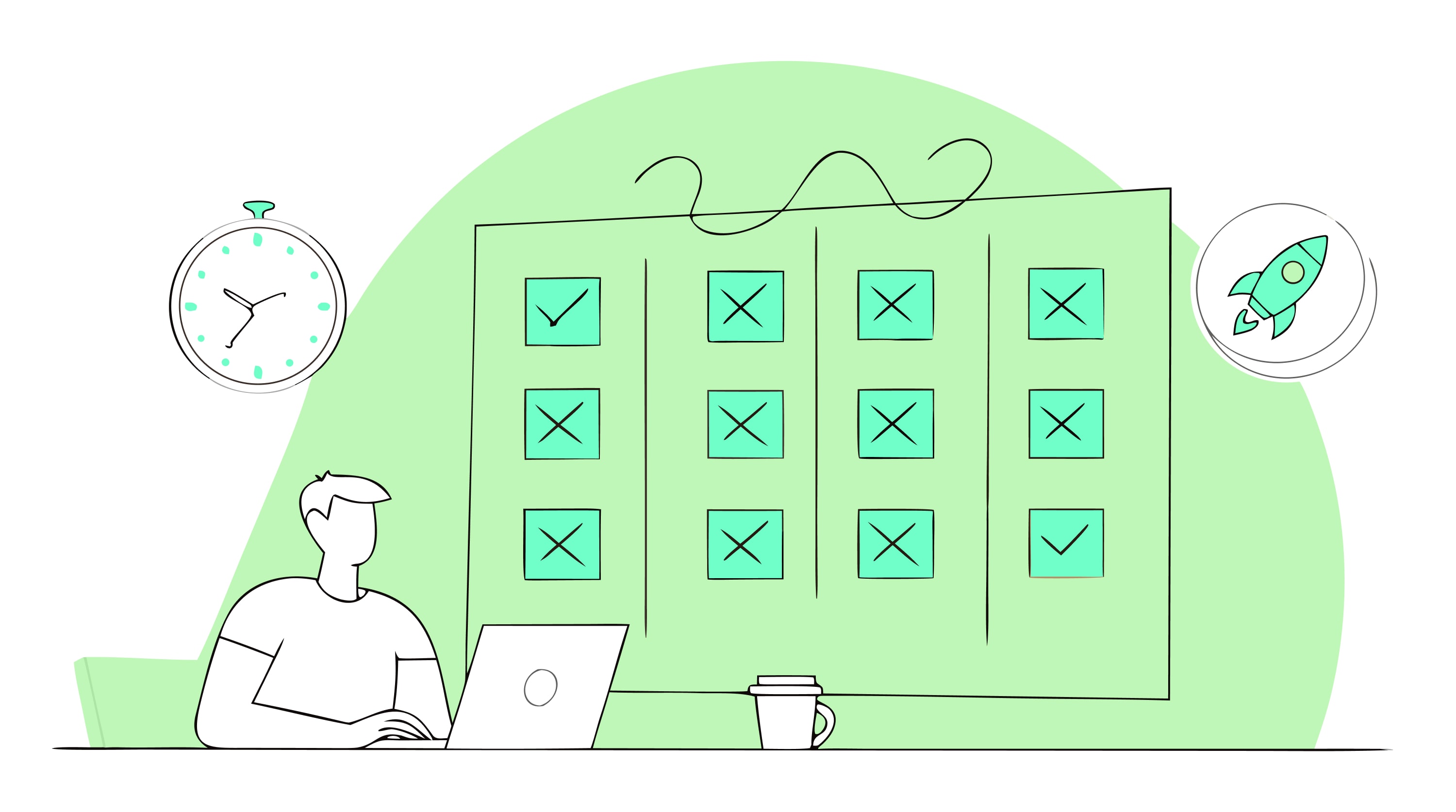
Motivation is unreliable and flaky. It's high the day you launch, higher after getting your first paying customer, and completely gone on a random Tuesday afternoon when nothing seems to be working anymore and nobody's replying to your emails. If you're waiting to feel inspired before you sit down and work, you'll clock in maybe a third of the actual hours that a bootstrapped founder needs.
I think what actually keeps a business alive isn't motivation, it's showing up on the days you don't feel like it. Shipping a new feature that could drastically improve the product. Sending the cold outreach email you've been avoiding for so long, getting on one more customer call when you'd rather just write code in peace.
You have to push yourself to do the things that make you uncomfortable, that’s real discipline which in the end turns into personal growth.
This is one of those bootstrapped founder skills nobody tells you about upfront. Funded startups have external structure keeping them accountable, investors checking in, a team around them, deadlines other people are watching, all these things that a solo bootstrapped founder doesn't have.
That's the real difference between solo founder skills and the kind of leadership you'd need running a team. With a team, other people's energy carries you on your off days. Alone, there's no one else's energy to borrow from.
The habits of successful bootstrapped founders I've seen all share this pattern: they treat consistency as the actual skill, not their talent or big ideas. Work on the product a little then switch to doing distribution for a while. Talk to a customer, even when you'd rather not. Repeat that on the weeks you're excited and the weeks you're feeling down, and the compounding is what gets you through, not once-in-a-while bursts of motivation.
Resourceful problem-solving
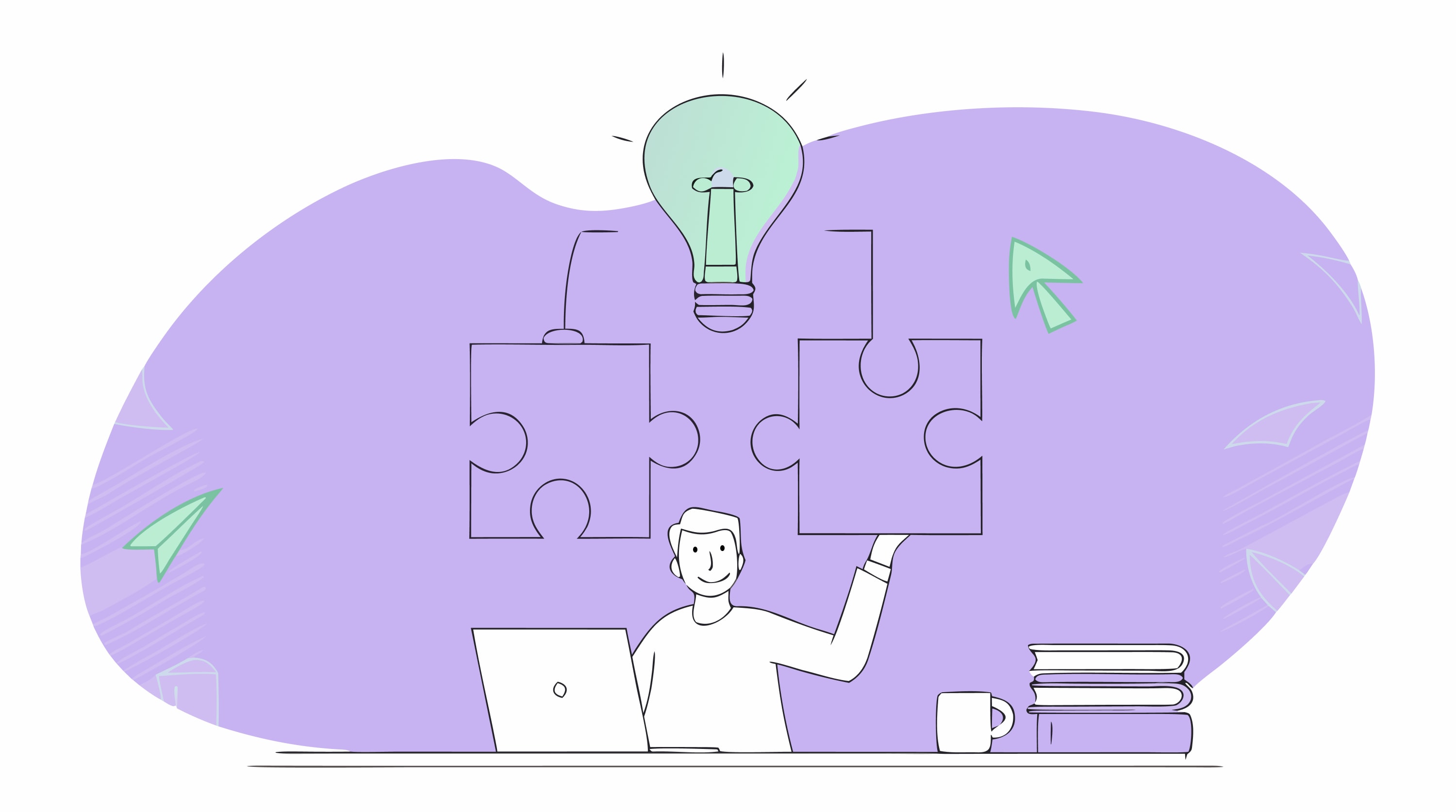
As a bootstrapped founder you’ll hit the same wall eventually: you need something, whether money, a tool, a skill, more hours in the day, and you don't have it. Funded startup founders throw money at problems. You can't afford it. So you either find another way around it or you call it quits.
This is where a lot of the habits of successful bootstrapped founders actually show up, not in some fancy strategy document, but in small, annoying moments where the easy path is closed off. No budget for a designer? You learn just enough UI design to make something that doesn't look outdated. Can't afford the tool everyone recommends? You find the free version, or the workaround, or you build the two features you actually need yourself instead of the twenty you don't.
The instinct to treat a resource gap as something to route around instead of a dead end is one of the more underrated bootstrapped founder skills. It's not as much about being clever as it is about not stopping the second something gets expensive or inconvenient.
This is basically indie hacker habits in a nutshell: you're not trying to do things the "proper" way, you're trying to do them the way that actually works with what you've currently got. A funded team hires a specialist. You spend a weekend on YouTube and figure out enough to get unstuck. It's slower, sometimes messier, but it keeps you moving when stopping isn't an option.
Nowadays AI has changed how much of this you can actually do yourself: design, copywriting, code, entire working products. What you get out of it is often good enough to ship with some additional editing, not just a rough starting point. It's not a replacement for judgment though, you still need to know what "good" looks like and what to actually build, but it's definitely replaced a real chunk of the functions a bootstrapped startup used to have to pay someone else for.
Adaptability and rapid iteration

When working on your startup, rapid iteration isn't about being fast for its own sake. It's about making changes small and cheap enough so that being wrong doesn't cost you months. Ship a small version, an MVP, see what actually happens, adjust, repeat. The founders who act quickly aren't necessarily smarter, they're just betting less on each individual move.
That matters because you will be wrong eventually. There's a specific moment every bootstrapped founder hits: customer behavior proves an assumption wrong - about pricing, positioning or a feature you were sure people wanted.
What separates the founders who adapt from the ones who don't is how fast they will admit it. Changing course can feel like accepting failure, like the idea, and by extension you, weren't good enough. It's not. It's just new information you didn't have before you shipped your product. So stop beating yourself up about it.
This is actually one of the real structural advantages of going solo. A funded startup often has to justify a pivot to a board and walk investors through the reasoning behind it. You don't. You can notice something's off on a Monday and change direction by Wednesday, no meeting required.
With all these being said you should be aware of one important thing: mistaking reactiveness for adaptability. Chasing every piece of feedback from the last customer you talked to isn't iteration, it's just reacting without a clear direction. Real adaptability means adjusting based on a real pattern, not one person's complaint.
There are lots of things to adjust while working solo on your startup:
the pricing
which feature you're leading with
which channel you're actually posting or selling on
your onboarding flow
who you're actually building for (your target customer)
the exact problem you're solving - sometimes it shifts once you talk to enough people
maybe the entire positioning of the product.
None of that is a sign of failure. It's just what building something new actually looks like: small tests, real or misleading signals, and changing course once a pattern is clear instead of waiting for certainty that could never come.
Clear communication
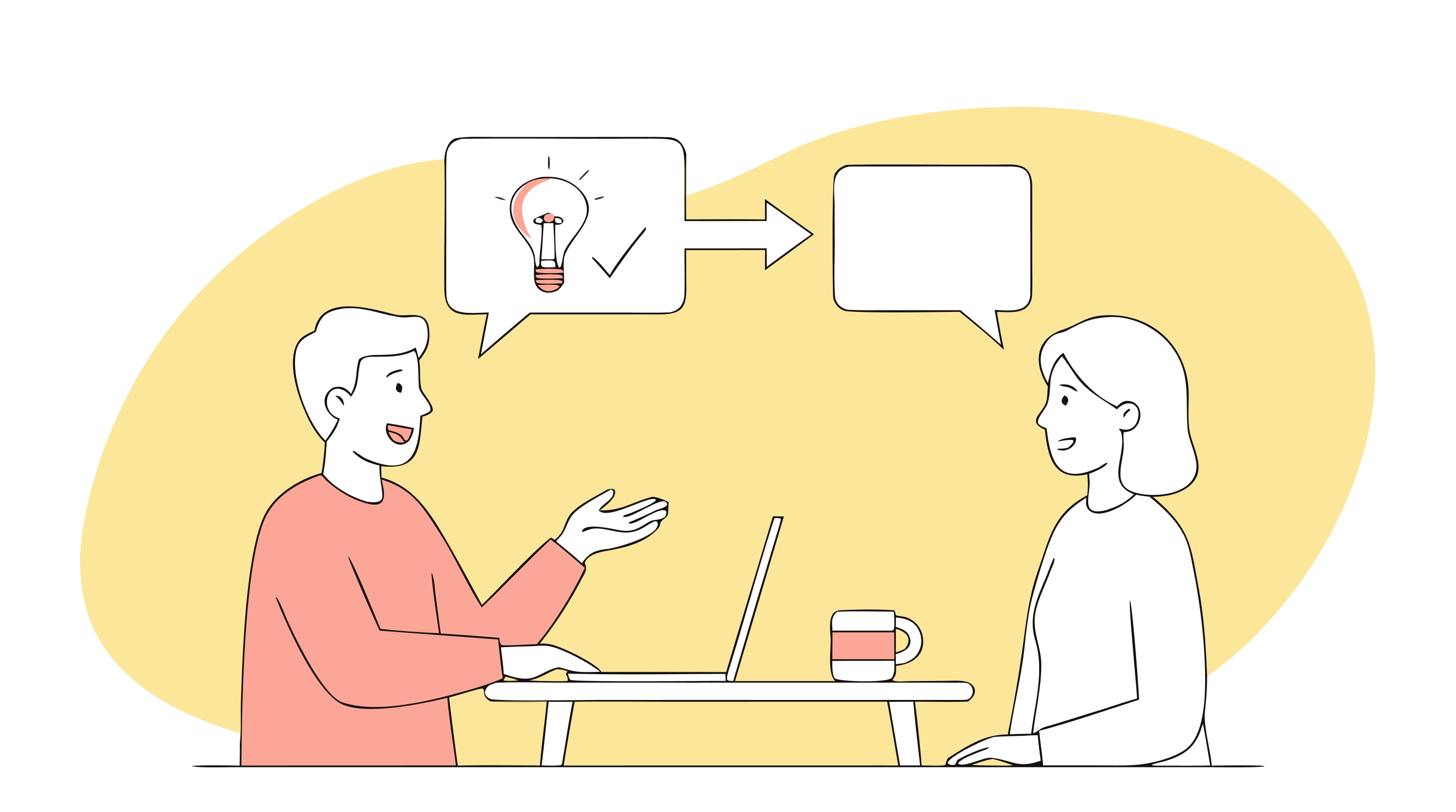
If you can't explain what your product does in one plain sentence a stranger understands, you'll struggle everywhere: with your landing page, your cold outreach and even your support replies. This is one of those solo founder skills that quietly touches everything else on this list. Bad communication makes discipline harder, iteration slower, and problem-solving less effective, because you're constantly being misunderstood.
No surprise, then, that so much rides on the choice of words. You're the copywriter now, writing your landing page copy, your launch post, onboarding emails and cold outreaches. The words you choose carry more weight at this stage than they would at a funded startup with a whole team polishing the message. There's no marketing team shaping up the brand voice, it’s just you, trying to say what you actually mean as clearly as possible.
Early on, there's no line between support and sales. A bug report is also a feedback session, and often your best shot at learning what someone actually needs and keeping them as a customer. How you respond in that moment matters more than most solo founders realize.
You'll often get asked things you haven't figured out yet. ‘What's your roadmap look like? Do you support this or that integration? Are you planning to add a mobile app?’ Sometimes the honest answer to these is "I don't know yet." Saying that without sounding incompetent, and without faking an answer you don't actually have, is its own skill. Most people can tell when you're bluffing anyway, and a made-up answer today can potentially become a broken promise later. So a straight "not yet, but here's how I'm thinking about it..." builds more trust than confidence you didn't earn.
And if you're building in public at all, changelogs, progress threads and launch updates, communicating these in a clear and concise manner does real distribution work you'd otherwise have to pay someone for. Write it well and someone else does your marketing by sharing it. Write it badly and it disappears into the feed.
Self-leadership
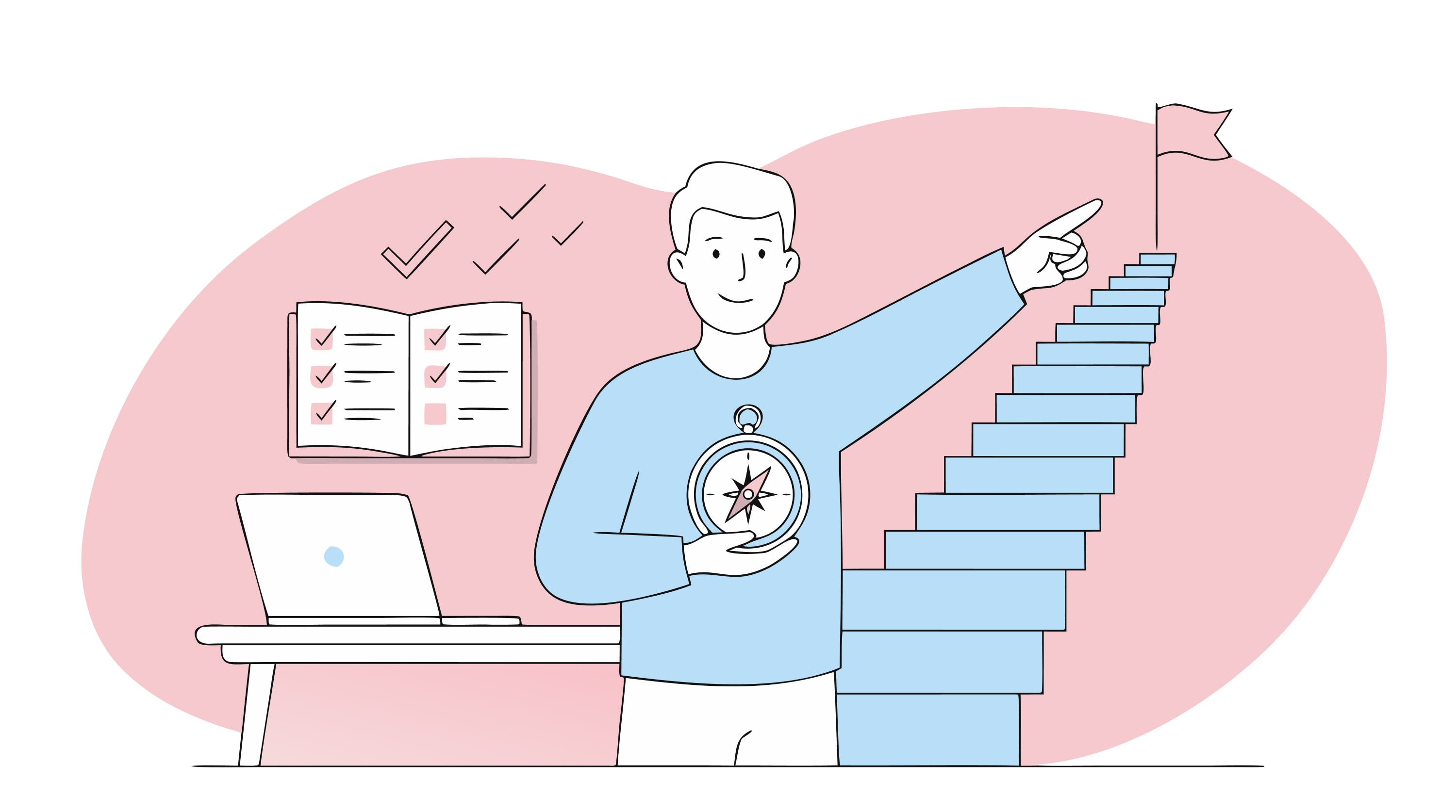
Leadership is a fundamental part of being a startup founder. When you're solo, you have to learn how to lead, not other people necessarily, but your own actions: setting your startup direction, holding yourself to it, and fixing course once some of your decisions turn out wrong.
Part of that is assigning yourself tasks the same way a project manager would assign them to a team. Write a to-do list every morning. Look at everything that could get done and decide what takes priority today, then follow through on it like someone else assigned it to you, not like a suggestion you can easily skip.
Getting distractions out of the way matters just as much. Working solo means there's no office (in a traditional startup sense), no coworkers keeping you on track, just you and whatever's pulling your attention that day.
A few things that actually help with managing distractions, that I personally use, are the following:
the Pomodoro technique - when I’m working in focused 25-minute blocks with short breaks between them
turning off mobile data or using an app blocker during work hours so my phone stops being an attention grabber; sometimes even keeping my phone in another room helps a lot
setting a plain timer and committing to one task until it gets checked off.
Managing the fear of failure
When working as a bootstrapped startup founder you’ll always have a certain fear that comes with carrying all of the responsibility yourself. If something doesn't work out, there's no team to spread that across, no co-founder to share the blame with. You're the one who has to sit with it. That fear is real, and part of self-leadership is learning to keep working through it instead of letting it control you.
What's worked for me is simply separating the fear from the decision. I let myself feel it, then I still make the call. I also try to break the big scary outcome ("this could all fail") into smaller, actual problems I can work on today. A fear you can't act on just sits there and grows, one you can break into steps starts shrinking.
Finally, I try to constantly remind myself that most of what I'm afraid of isn't permanent. A bad month doesn’t mean a dead startup. A rejected pitch isn't the end of the idea. Most of it is recoverable, but only if you keep moving instead of standing still.
Wrapping it up
Remember that none of these 5 skills need to be mastered before you embark on your startup journey. Discipline, resourcefulness, adaptability, communication, self-leadership, they all build on each other, and getting a little better at each one compounds over time. You don't need to be great at all of them on day one, but you do need to be working on them on a regular basis.
None of these is talent either. Nobody's born disciplined or naturally good at admitting they were wrong about something. You build this stuff up the same way you build sales or copywriting skills: by doing it over and over until it gets easier and becomes second nature.
In my opinion, if you're only picking one to work on this month, make it self-leadership. Every other skill on this list gets easier once you've actually got a handle on assigning yourself work, mastering your focus, and managing the fear that comes with all the responsibility. Without that one, the other four tend to slip.
If I'm honest, communication is still the one I have to actively work at. The rest comes more naturally to me at this point, but explaining things simply, especially when I'm too far inside my own head about the product I’m building, still takes real effort some days, I have to admit that.
So pick whichever one feels the weakest for you right now, and just start working on it. It doesn't need to be perfect or fully figured out, just started. It will become easier as time goes by, I promise you. Good luck!